




Executive Function and the “Invisible Load” at School and Home: What Every Parent Should Know

March 23, 2026
4 min read
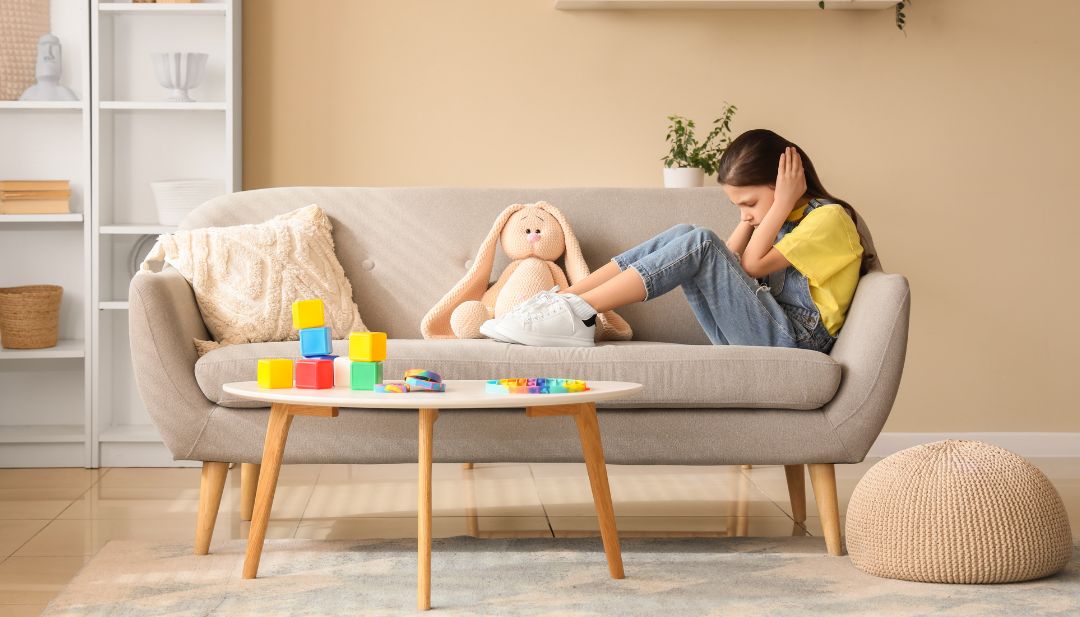
From managing homework and following school routines to getting dressed and remembering instructions, children’s days are filled with hidden expectations. Some kids breeze through these challenges, while others may struggle, seem forgetful, become overwhelmed, or appear unmotivated. Often, what we see as attitude or laziness is actually about something deeper: executive function—a set of mental skills that help us plan, organize, remember, and regulate ourselves. When children have difficulty with executive function, the weight they carry each day can be enormous, no matter how “smart” or capable they truly are.
Understanding executive function is the key to supporting children who are carrying this “invisible load”—and to helping them develop essential life skills with confidence and compassion.
What Is Executive Function?
Executive function is like the brain’s “management system.” It includes skills such as:
- Planning: Figuring out how to approach a task or solve a problem
- Organization: Keeping track of things physically and mentally
- Working memory: Holding information in mind while working with it
- Emotional control: Managing emotions so they don’t get in the way
- Flexible thinking: Adjusting to changes, shifting strategies when needed
- Impulse control: Stopping and thinking before acting
- Self-monitoring: Checking your own progress or behavior
Just like learning to ride a bike, these mental skills develop over time—well into early adulthood—and some children need extra time, support, or strategies.
The “Invisible Load” in School and at Home
Many children with executive function challenges describe their day-to-day experience as “carrying a mental load that no one can see.” This invisible burden can lead to burnout, anxiety, or self-doubt, especially if adults focus only on outcomes (like grades or completed chores) rather than the cognitive effort it takes to get there.
Signs of Executive Function Struggles
- Homework Battles: Your child spends hours starting, but not finishing, homework. Assignments are forgotten or lost.
- Daily Forgetfulness: Items like lunchboxes, homework, or notes regularly go missing.
- Meltdowns After Busy Days: After school or activities, your child is irritable, emotional, or seems “shut down.”
- Difficulty Starting Tasks: Even small requests hang in the air, and your child may procrastinate or insist, “I can’t!”
- Disorganization: Desks, backpacks, and bedrooms are perpetually messy or cluttered.
- Trouble Following Multi-Step Directions: Even if your child wants to comply, remembering several steps at once feels overwhelming.
- Rapid Emotional Swings: Frustration escalates quickly, especially when routines change or things don’t go as planned.
If this sounds familiar, know that you are not alone—and your child is not broken.
Executive Function and Success in Life
Research shows that executive function skills are powerful predictors of academic achievement, social-emotional well-being, and even long-term success—sometimes more so than IQ or test scores (Moffitt et al., 2011). Proactively supporting these “invisible” skills is one of the best investments you can make as a parent.
Why Do Some Kids Struggle More?
Executive function encompasses multiple regions of the brain, especially the prefrontal cortex, which develops slowly and unevenly in all humans. Genetics, early life experiences, stress, sleep, attention differences such as ADHD, learning disorders, and even anxiety can affect these skills (Diamond, 2013). Just as some children need glasses to see clearly, others need explicit support for executive function.
How Can Parents Help? Practical Tips for Building Executive Function Skills
- Externalize Organization
- Use checklists, daily schedules, planners, and clearly labeled bins or folders. Visual reminders reduce the brain’s internal load.
- For younger kids, a picture-based “morning checklist” (teeth brushed, breakfast, shoes on) can create independence and reduce nagging.
- Break Tasks Down
- Help your child see that “clean your room” really means “pick up clothes, put away books, make the bed.” Breaking projects into small, visible steps boosts success and confidence.
- Use timers: Work in short bursts (e.g., 15 minutes cleaning, 5 minutes break).
- Build Routines and Predictability
- Consistent routines take the guesswork and stress out of daily life, freeing up brainpower for other things.
- Prepare children for transitions. “In five minutes, we’ll switch from play to homework.”
- Coach, Don’t Just Remind
- Instead of “Why aren’t you dressed yet?” try, “What’s next on your list?” Encourage self-monitoring and problem-solving.
- Model Emotional Regulation
- Talk through your own plans and feelings: “I’m feeling frustrated because I can’t find my keys. I’m going to take a breath and look one more time. Sometimes it helps to retrace my steps.”
- This shows kids that even adults need strategies, and that mistakes are normal.
- Celebrate Effort, Not Just Results
- Notice and praise the process: “You remembered your backpack three days in a row! That shows a lot of effort.”
- Sharing stories of your own struggles and how you manage can normalize challenges and foster resilience.
- Collaborate With Teachers
- Share what works at home with school staff, and ask about strategies being used in the classroom.
- Some students may qualify for accommodations, such as extra time, movement breaks, or task deadlines broken into parts.
When to Seek Further Evaluation
If your child’s executive function challenges are causing significant distress or impacting their learning and social life, consider reaching out to a school psychologist, counselor, or pediatrician. Early support can be transformative.
Final Thoughts
Remember, what looks like a lack of effort or laziness is often an “invisible load” of executive function work. Your patience, understanding, and practical support are not just a gift—they are the bridge to lifelong skills and self-confidence.
References:
- Diamond, A. (2013). Executive Functions. Annual Review of Psychology, 64, 135–168.
- Moffitt, T. E., et al. (2011). A Gradient of Childhood Self-Control Predicts Health, Wealth, and Public Safety. PNAS, 108(7), 2693–2698.