




Rethinking Discipline: From Compliance to Co-Regulation

March 9, 2026
3 min read
As parents, we all hope our children grow into kind, responsible, and resilient individuals. For a long time, discipline has been closely linked with obedience—expecting children to follow rules, comply with authority, and avoid causing trouble. But what if we shift the focus from simple compliance to helping children co-regulate their emotions and behavior with us?
A growing body of research suggests that moving away from punishment and power struggles toward relationship-based, co-regulatory discipline not only supports children’s brain development, emotional intelligence, and mental health, but also lays a strong foundation for lifelong well-being.
The Traditional “Obedience” Model: Short-Term Results, Long-Term Costs
Many of us grew up with obedience-focused discipline: punishment, sending children away to “reflect,” sticker reward charts, or repeated reminders to “be good” or “listen.” While these strategies may temporarily stop undesirable behavior, research shows their effects are often short-lived.
Gershoff & Grogan-Kaylor (2016), in a review of decades of studies, found that harsh discipline—such as physical punishment or shaming—may stop behavior in the short term but increases the risk of anxiety, aggression, and mental health problems over time. Even commonly used practices like sending children to a “time-out corner” for long periods can weaken a child’s sense of security and connection with caregivers (Siegel & Bryson, 2014).
When children feel controlled, they may comply out of fear or a desire to please. But this doesn’t help them truly develop self-regulation or make healthy choices when no one is watching.
Why Practice Co-Regulation?
Co-regulation recognizes that a child’s brain—well into adolescence—is still developing. Skills like pausing before acting, managing frustration, and expressing emotions in healthy ways are not automatic; they develop through repeated experiences of being understood, soothed, and guided.
Each time we help a child calm down, we are actually helping their brain build neural pathways related to self-control and empathy.
Research by Feldman (2007) and Perry (2017) shows that children learn self-regulation through the co-regulation provided by caregivers. When a child is overwhelmed, a parent’s calm presence, empathy, and support essentially “lend” their nervous system to the child, helping them gradually return to a state of calm.
What Is Co-Regulation?
Co-regulation means:
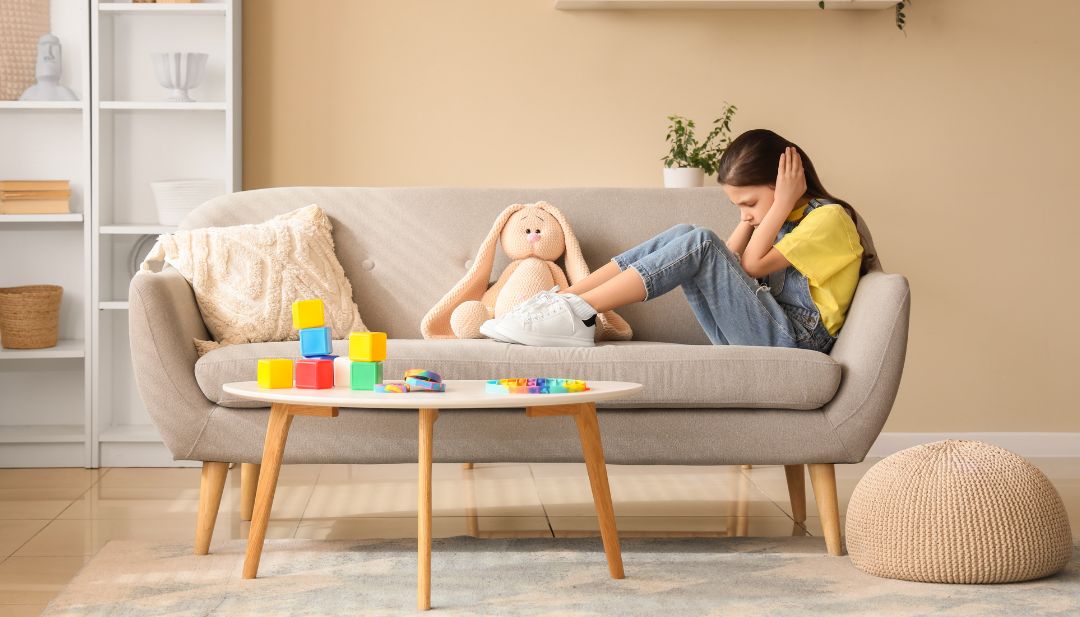
- Staying with a child during emotional meltdowns instead of sending them away to calm down alone.
- Helping them name and validate their emotions (e.g., “You’re really upset because your toy broke. I understand.”).
- Using breathing, a hug, or quiet presence to help them move through the emotional storm.
- Setting clear but gentle boundaries (e.g., “We can’t hit people. You can tell me you’re angry and I’ll help you.”).
Co-regulation is not permissive parenting. Boundaries remain clear—but they are delivered with respect, empathy, and guidance rather than blame or intimidation.
Research-Supported Benefits of Co-Regulation
Better mental health
Responsive and secure relationships with caregivers reduce anxiety, depression, and aggressive behavior in children (Sroufe et al., 2005; Morris et al., 2007).
Stronger self-control
Children who frequently experience co-regulation show stronger executive functioning skills such as self-control, planning, and problem-solving (Diamond & Lee, 2011).
Closer parent-child relationships
Co-regulation builds deeper trust between parents and children, making communication easier even during adolescence (Siegel & Bryson, 2014).
From “You Must Listen” to “Let’s Solve This Together”
Instead of asking, “How do I make my child listen right now?”, we might ask:
“How can I help my child calm down, reconnect, and learn to make a better choice next time?”
Practical Co-Regulation Strategies
1. Regulate Yourself First
During conflict, pause and calm yourself before responding. Take a few deep breaths or step away briefly. Your emotional state becomes the model your child learns from.
2. Help Children Name and Accept Their Emotions
“You’re really upset about turning off the tablet, aren’t you? I understand—that’s hard. I’m here with you.”
Eisenberg et al. (1998) found that children whose emotions are acknowledged by parents show greater empathy and fewer behavior problems.
3. Set Gentle but Firm Boundaries
“It’s time for bed. I know you still want to play. Let’s read one story first, then it’s time to sleep.”
4. Repair After Conflict
If you lose your temper, repair the relationship afterward:
“I’m sorry I raised my voice earlier. That wasn’t the best way to handle it. Can we try again?”
When parents model repair, children learn how to handle relationship mistakes.
5. Teach Emotional Regulation and Problem-Solving
You can role-play together:
“Next time you feel angry, what could you do instead of hitting?”
6. Connect Before Redirecting
“I see that you’re having a hard time. I’m here with you. Let’s figure this out together.”
Rewriting the Story of Discipline with Empathy and Patience
Shifting from simply correcting behavior to co-regulating emotions takes patience and practice. No parent gets it right every time. But when discipline is rooted in empathy, connection, and clear boundaries, children gradually learn more than just rules.
They learn self-reflection, resilience, and how to care for others.
Remember: Discipline is not only about correcting behavior. It is about shaping the kind of person a child becomes—and how you walk alongside them on that journey.