


Emotional Regulation
Filter by: Emotional Regulation
- ADHD (32)
- Adolescence (2)
- Autism Spectrum Disorder (31)
- Central Auditory Processing Disorder (CAPD) (1)
- Dyscalculia (2)
- Dyslexia (8)
- Educational Strategies (21)
- Emotional Regulation (11)
- Executive Function (10)
- Mental Health (14)
- Occupational Therapy (2)
- Parenting Tips (48)
- Psychoeducational Assessment (7)
- School Shadowing (1)
- Selective Mutism (1)
- Sexual Orientation (1)
- Social Anxiety Disorder (2)
- Speech Therapy (3)
- Study Skills & School Readiness (6)
- Teens (6)
- Travel Tips (1)
- Twice-Exceptional (3)
- Uncategorized (6)
-
AdolescenceEducational StrategiesEmotional RegulationExecutive FunctionParenting TipsStudy Skills & School ReadinessTeens
Teenagers and Back-to-School Stress: A Clinical Guide for Parents and High School Educators
Back-to-school can bring unique pressures for teenagers—from academic expectations and college anxiety to social dynamics and disrupted sleep. Discover practical, evidence-based strategies to help... -
Rethinking Therapy for Neurodivergent Kids: What Really Works?
Neurodivergent children may experience traditional therapy differently. Learn how neurodiversity-affirming care can support sensory safety, emotional regulation, self-advocacy, and genuine connection... -
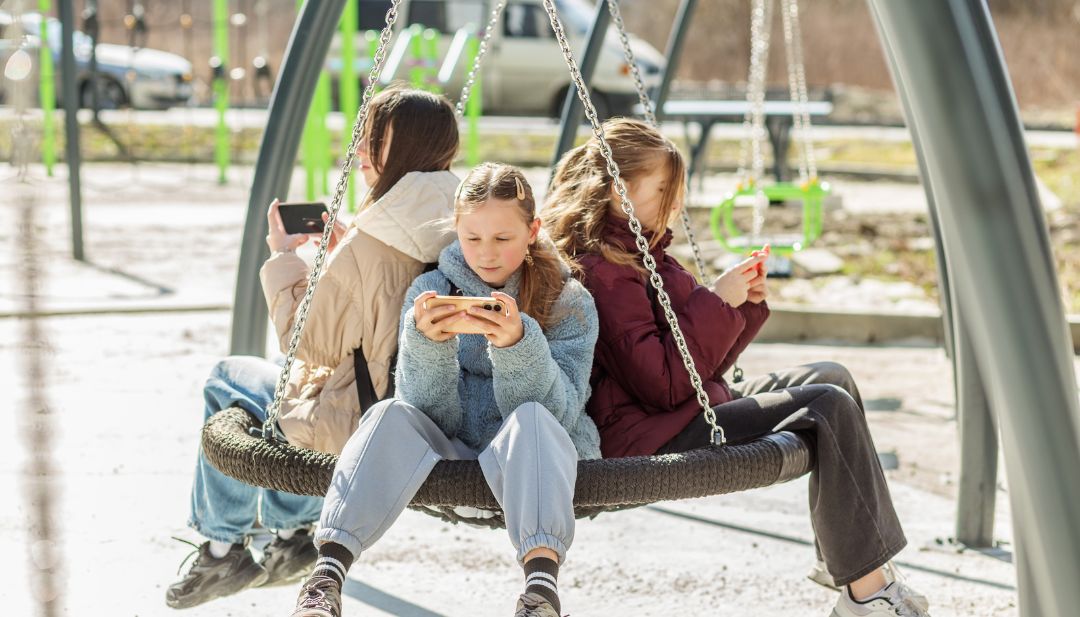
The Summer Screen Struggle: How to Break the Digital Loop Without the Drama
Summer often means more screen time—and more struggles when it's time to put devices away. The good news is that with clear boundaries, engaging alternatives, and the right support, families can... -
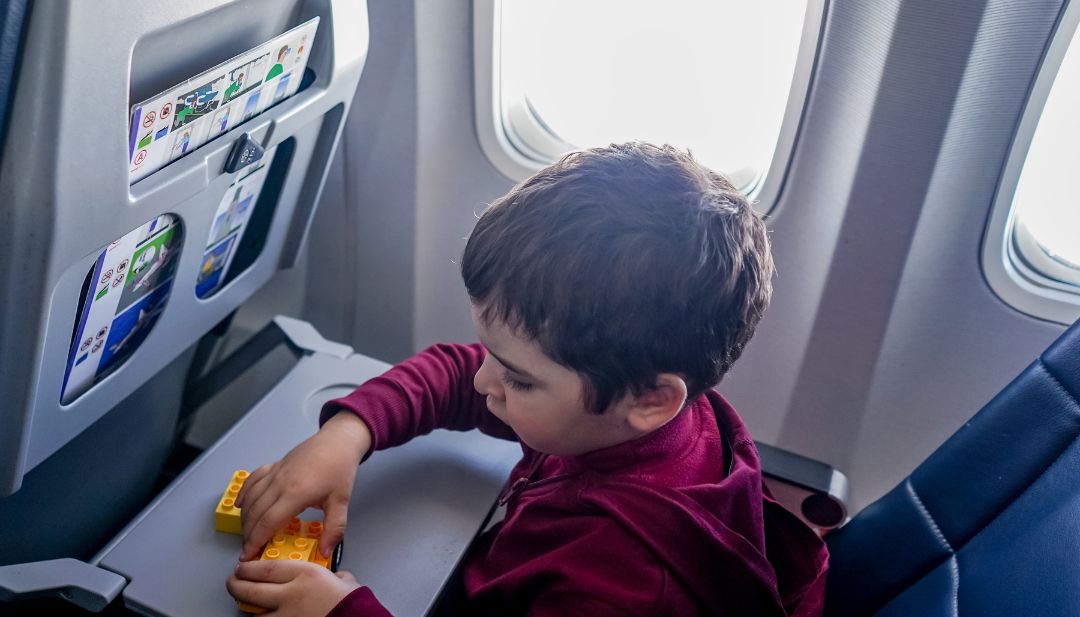
Flying with a Sensory-Sensitive Child: A Survival Guide for Summer Travel
Crowded airports, loud noises, and unfamiliar environments may trigger anxiety and distress. Learn why these reactions happen and discover practical strategies to help your child travel more... -
Post-Exam Emotional Slump: How to Reset Your Child in May
Many students feel unexpectedly exhausted, unmotivated, or emotionally drained after major exams. While often dismissed as simple burnout, this "post-exam slump" may be linked to changes in brain... -
The May Emotional Storm: A Neuropsychological Perspective for International School Students
School refusal is not about defiance—it's often a cry for help. Discover the psychological factors behind school avoidance and how families can respond... -
Social Withdrawal in International School Kids: A Hidden Growth Concern in May
Social withdrawal in children is often more than “just stress.” Discover why many international school students retreat socially during May and how multidisciplinary summer interventions can... -
Miss the May Adjustment Window? Why Kids Struggle to Refocus This Summer
May is a critical adjustment period for children. Without structured routines, summer breaks can lead to “Summer Regression” in focus, behavior, and emotional... -
Rethinking Discipline: From Compliance to Co-Regulation
Discipline is often associated with obedience, but research shows that children thrive when parents focus on connection and co-regulation rather than punishment. By helping children understand and... -
Calm Is Contagious: Evidence-Based De‑escalation for Parents and Teachers
Calm is contagious. Challenging behavior escalates when power struggles take over—but regulation, not control, leads to better outcomes. This evidence-based guide shares practical strategies for... -
A Calmer, Kinder Christmas: Holiday Planning Tips for Families with Neurodivergent Children
The holiday season can be joyful — and overwhelming. This practical guide shares gentle strategies to help children stay regulated, supported, and connected through changes in routine, travel, and...