



Autism Supports in Mainstream Classrooms: Masking, Sensory Accommodations, and Strength‑Based IEPs

January 25, 2026
3 min read
More autistic students are learning in general education classrooms, which can be a great fit when supports are thoughtful and individualized. Parents and teachers often ask the same questions: How do we spot “masking”? Which sensory accommodations make the biggest difference? And how do we build an IEP that leverages strengths, not just lists deficits? Here’s a practical guide.
Understand masking—and its costs
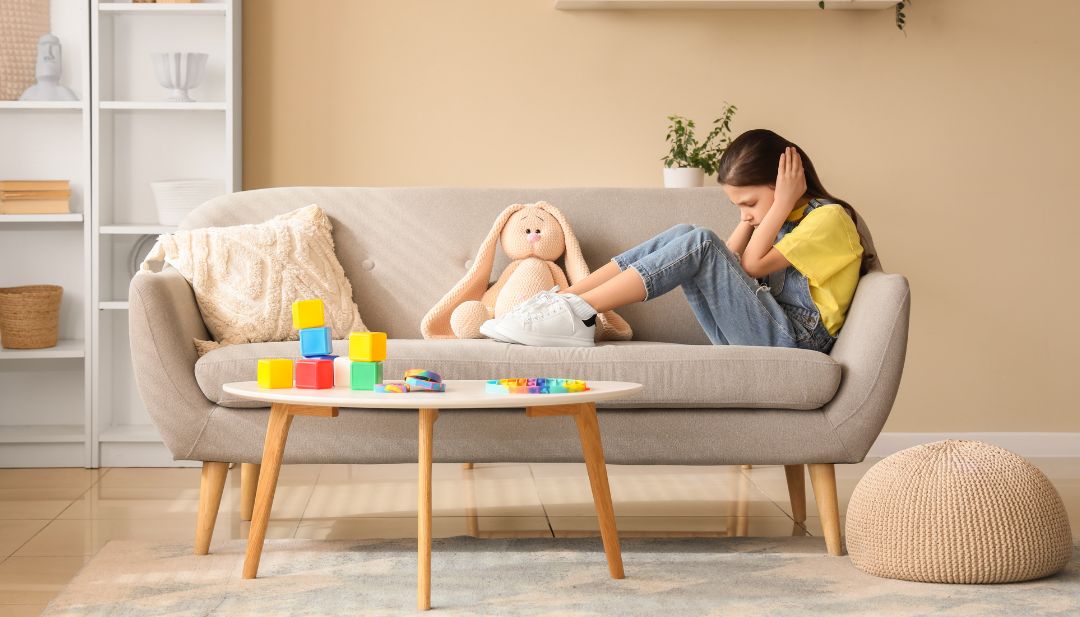
Many autistic students, especially girls and students of color, learn to “mask” autistic traits to blend in: copying peers’ speech patterns, suppressing stims, forcing eye contact, or enduring overwhelming situations quietly. Masking can make needs invisible to adults, but it carries risks: exhaustion, anxiety, shutdowns, and delayed identification and support. Clues include a student who appears compliant at school but melts down at home, returns from recess withdrawn, or shows perfectionism and people‑pleasing paired with high fatigue.
What to do:
- Normalize differences. Model acceptance of alternative communication, movement, and quiet spaces.
- Offer opt‑ins, not call‑outs. Provide choices (oral, written, or AAC responses) without putting a student on the spot.
- Create private check‑ins. A simple “How’s the noise/light/energy?” scale lets students signal overload early.
Design smart sensory accommodations
Mainstream classrooms are busy: fluorescent lights, chair scrapes, overlapping chatter. Small environmental adjustments can prevent overload and support regulation.
High‑impact options:
- Seating and sightlines: Offer a consistent, lower‑stim seat (edge of room, away from doorways/vents). Provide a second “work nest” for independent tasks.
- Sound: Noise‑reducing options (ear defenders, loop earplugs), soft furniture/tennis balls on chair legs, and access to a quiet corridor or library nook.
- Light: Replace flickering bulbs, add lamp lighting, use visors or hats if needed, and minimize visual clutter on walls near the student’s desk.
- Movement and regulation: Build micro‑breaks (errands, wall push‑ups), allow standing/rocking/sit‑and‑move stools, and teach brief co‑regulation routines (breathing, pressure input).
- Predictability: Visual schedules, timers, and “first/then” cards reduce uncertainty—the most powerful accommodation for many students.
Instruction and communication supports
- Clarity: Give short, concrete directions, one step at a time; pair speech with visuals or written cues.
- Processing time: Wait 5–10 seconds after giving directions before repeating.
- Alternative communication: Honor AAC, typed responses, or partnered note‑taking; don’t remove supports as “rewards.”
- Social navigation: Teach peers to invite, not interrogate. Provide structured group roles and “opt‑out to solo” options.
Build strength‑based IEPs
A strength‑based IEP doesn’t ignore needs; it anchors goals and services in what motivates and works for the student.
Key elements:
- Present levels that name assets: “Strong pattern recognition and visual memory,” “perseveres with preferred topics,” “precise with rules,” “kind to younger students.”
- Goals that harness strengths: If a student loves trains or coding, embed interests in reading, writing, and math tasks; use rule‑based strengths to teach social problem‑solving scripts.
- Supports across settings: Sensory plan, communication accommodations, and explicit teaching of transitions should appear in both classroom and specials (PE, art, lunch).
- Measurable self‑advocacy: Goals like “will request a quiet space using card/AAC in 4/5 opportunities” or “will choose one of three break options after a warning sign.”
- Collaboration: Include the student’s voice. Ask, “What helps? What hurts? What would you change?” Revisit midyear.
Home–school partnership
- Share regulation profiles: Times of day, triggers, and successful calming strategies.
- Align language: Use the same visual symbols and “first/then” phrasing at home and school.
- Plan for sub days and field trips: Provide a one‑page support plan so routines don’t vanish with a schedule change.
Bottom line: When we reduce the need to mask, respect sensory needs, and build IEPs around strengths, autistic students can learn, belong, and thrive in mainstream classrooms—without burning out to fit in.