

Overcoming Back-to-School Anxiety: A Clinical Guide for Parents and Educators

August 8, 2026
3 min read
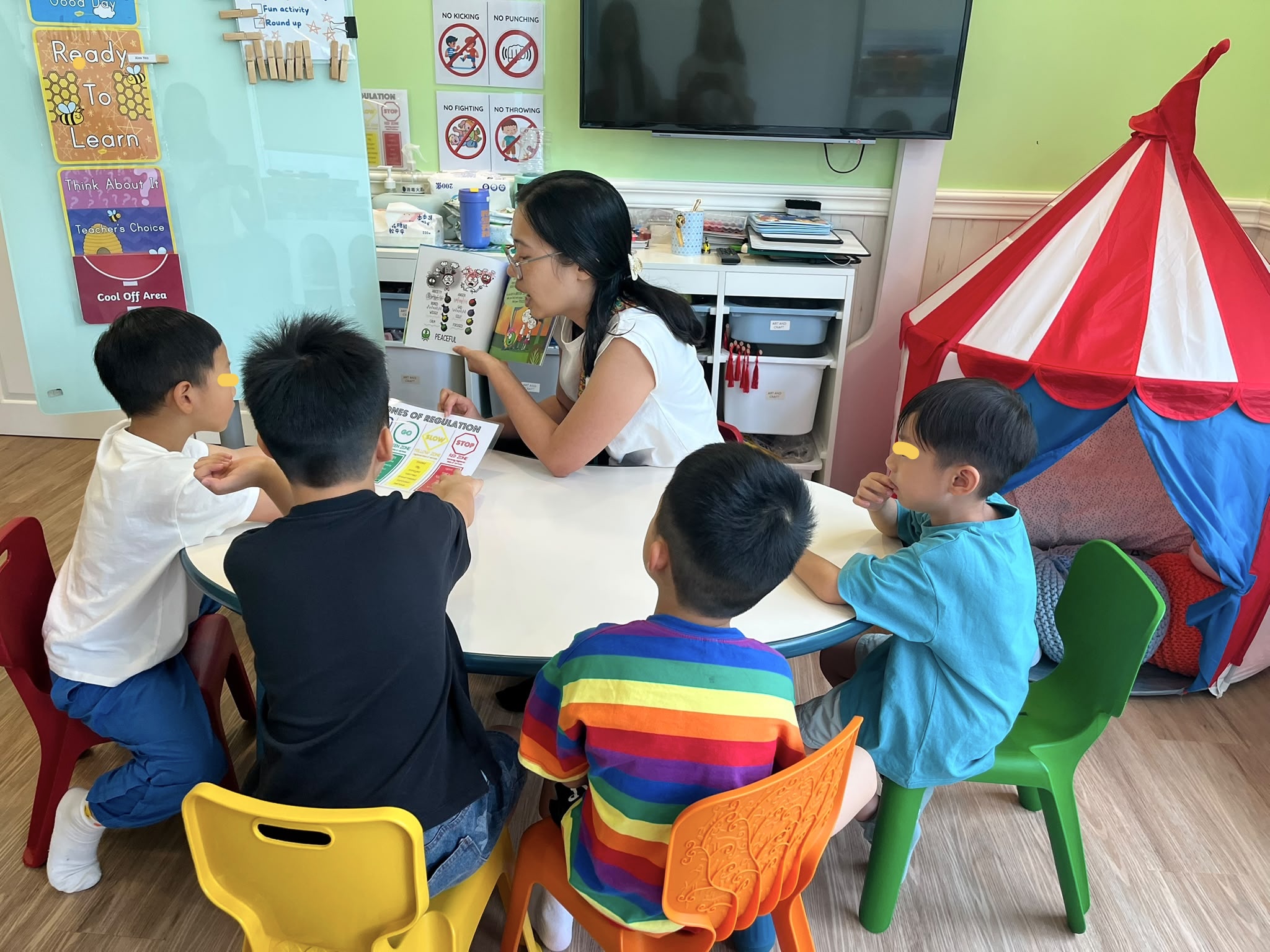
The transition back to school introduces significant changes in routine, environment, and social dynamics that can trigger acute back-to-school anxiety in children. Grounded in clinical insights from the Child Mind Institute, this guide provides actionable strategies—including managing parental stress, practicing “dry runs,” active listening, and structuring morning hand-offs—to help students transition with confidence. Sprout in Motion integrates these evidence-based techniques into multidisciplinary support for families and international schools across Hong Kong and the Greater Bay Area.
The return to school is a major transition for children and adolescents alike. While many students feel a mix of excitement and anticipation, a significant number experience overwhelming anxiety. Transitioning from the flexible schedules of summer to rigid academic routines, heightened social expectations, and separation from home environment can trigger emotional distress, physical somatic complaints (such as stomachaches and headaches), and even school refusal.
At Sprout in Motion, our clinical team supports children, international school educators, and parents through back-to-school transitions using proven cognitive-behavioral strategies and multidisciplinary interventions.
6 Evidence-Based Strategies to Ease Back-to-School Stress
1. “Take Your Own Temperature” (Manage Parental Anxiety)
Children are highly perceptive to their parents’ emotional states. If a parent feels anxious about a new teacher, an intense academic workload, or separation, children often absorb and magnify that stress. Modeling calm, confident behavior during morning routines and drop-offs sets a reassuring emotional tone for your child.
2. Truly Listen to Their Worries
When a child expresses fear about tough homework, strict teachers, or friend dynamics, resist the urge to dismiss their feelings with phrases like “There’s nothing to worry about!” Instead, validate their experience: “I hear that you’re nervous about having a new teacher. It’s completely normal to feel that way when starting something new.” Validation helps children feel understood, opening the door for constructive problem-solving.
3. Conduct “Dry Runs” Before the First Day
Uncertainty feeds anxiety. Reduce the unknown by conducting test runs prior to the first day of school. Drive or walk the route to school, practice getting out at the drop-off zone, and if allowed, walk through the school hallways to locate your child’s new classroom, restrooms, and cafeteria. Familiarity turns abstract fears into predictable routines.
4. Coordinate with School Staff and Teachers Early
If your child struggles with separation anxiety or learning challenges, proactively inform their teacher, school counselor, or inclusion coordinator. Sharing what triggers your child’s anxiety and what strategies help them settle allows educators to create a supportive classroom environment from day one.
5. Plan a Structured Morning “Hand-Off”
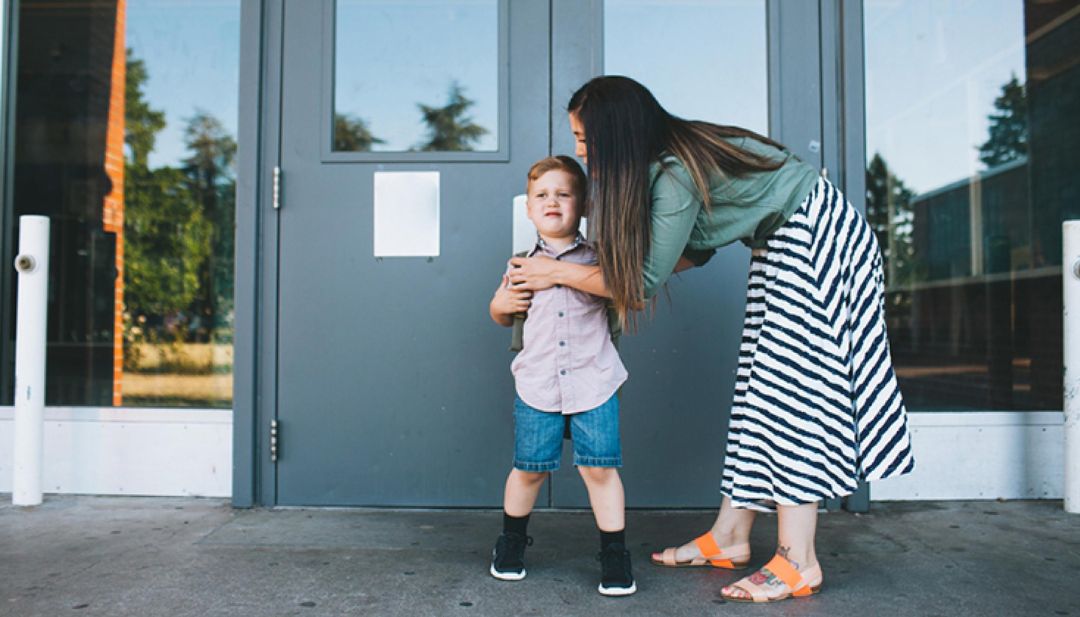
For younger children or youth prone to severe separation distress, lingering drop-offs often worsen anxiety. Arrange a clear, swift hand-off plan with a school staff member or designated buddy who meets your child at drop-off and engages them in an immediate, engaging activity. Keep goodbyes warm, brief, and confident.
6. Monitor Physical Symptoms and School Refusal
Back-to-school anxiety frequently manifests as physical complaints—most commonly morning stomachaches or headaches—used to avoid attending school. While medical causes should always be ruled out by a pediatrician, persistent somatic symptoms or school refusal indicate that a child’s anxiety requires targeted clinical support rather than prolonged home avoidance.
When to Seek Professional Support
While transient jitteriness normally resolves within the first two weeks of the school term, persistent anxiety, intense meltdowns, or ongoing school refusal require professional intervention. Early clinical support prevents anxiety from compounding into academic lags or social withdrawal.
Sprout in Motion provides comprehensive, multidisciplinary support tailored for school-age children:
• Accredited Clinical & Educational Psychologists: Conduct comprehensive diagnostic evaluations, deliver Cognitive Behavioral Therapy (CBT) for anxiety, and secure formal exam accommodations or classroom accommodations.
• Board Certified Behavior Analysts (BCBAs): Implement structured, data-driven behavioral interventions and exposure-based plans to overcome school refusal and daily transition barriers.
• Accredited Speech Therapists: Build pragmatic social skills and self-advocacy, empowering students to navigate peer dynamics and communicate their emotional needs effectively.
About Sprout in Motion (小黃屋兒童發展中心)
Established in 2013 as one of Hong Kong’s pioneering multidisciplinary child development centers, Sprout in Motion has spent over a decade as a preferred external provider on the vetted referral lists of top-tier international schools across Hong Kong and the Greater Bay Area. Operating from premium hubs in Tsim Sha Tsui (TST), Central, and Wong Chuk Hang, our center is led by a specialist Clinical Child Psychologist with 20 years of clinical experience and advanced school neuropsychology training from the United States. Our team of over 30 government-recognized, accredited professionals—including Accredited Clinical and Educational Psychologists, BCBAs, and Accredited Speech Therapists—provides trilingual, evidence-based care in English, Cantonese, and Mandarin. We specialize in turning family and brain science into practical, real-world solutions that schools and families trust implicitly.
Learn more about our back-to-school anxiety support and clinical counseling programs at: https://sproutinmotion.com/