

Rethinking Therapy for Neurodivergent Kids: What Really Works?
August 16, 2026
4 min read
Traditional therapeutic modalities like Cognitive Behavioral Therapy (CBT), Dialectical Behavior Therapy (DBT), and standard mindfulness often fail neurodivergent children when applied without adaptation. Drawing on key insights from Tilt Parenting (Episode 381 featuring Dr. Megan Anna Neff and Dr. Debra Brause), this guide explores why traditional talk therapy can cause sensory overload or gaslighting for differently wired youth. It details actionable steps to find genuinely neurodiversity-affirming care that centers sensory safety, client agency, and emotional co-regulation. Sprout in Motion integrates these affirming practices across its multidisciplinary clinics in Hong Kong and the Greater Bay Area.
When a child with Autism Spectrum Disorder (ASD), ADHD, or a twice-exceptional (2e) profile struggles with anxiety, emotional dysregulation, or school stress, parents routinely turn to therapy for answers. However, many families experience a frustrating paradox: despite months of traditional therapy, their child’s anxiety worsens, behavioral distress escalates, or the child refuses to attend sessions altogether.
As highlighted in Tilt Parenting (Episode 381), where host Debbie Reber speaks with Clinical Psychologist Dr. Megan Anna Neff and Dr. Debra Brause, the issue rarely lies in the child’s willingness to engage. Instead, it stems from a fundamental mismatch between standard therapeutic modalities and neurodivergent nervous systems.
At Sprout in Motion, our clinical team believes that therapy should never force neurodivergent children to conform to neurotypical standards. Instead, therapeutic care must adapt to honor each child’s unique neurotype, sensory profile, and personal agency.
Why Traditional Modalities Fall Short for Differently Wired Kids
Standard talk therapies were created primarily for neurotypical cognitive processing. Without explicit neurodiversity-affirming modifications, these approaches can inadvertently harm neurodivergent youth:
1. The Pitfalls of Standard Cognitive Behavioral Therapy (CBT)
Standard CBT operates on the premise that changing “irrational thoughts” will improve emotional responses. However, for an autistic or ADHD youth experiencing real sensory overload, interoceptive challenges (difficulty identifying internal body signals), or intense peer rejection, their anxiety is often a rational response to an invalidating environment. Telling a neurodivergent child that their sensory pain or overwhelm is merely a “cognitive distortion” can feel like clinical gaslighting.
2. Limitations of Standard Mindfulness and Guided Imagery
Mindfulness exercises like body scans or visualization are frequently recommended for anxiety. For youth with alexithymia (difficulty identifying emotions) or aphantasia (inability to visualize imagery), forcing traditional meditation can trigger frustration or heightened body distress rather than calm.
3. Focus on External Compliance Over Internal Safety
Conventional therapies often measure success by how quiet, compliant, or “typical” a child appears—a practice that promotes masking (suppressing natural neurodivergent traits). Chronic masking is a leading cause of adolescent burnout, depression, and loss of self-identity.
4 Pillars of Truly Neurodiversity-Affirming Therapy
To foster genuine healing and self-esteem, neurodivergent children require a therapeutic framework built around their actual lived experience:
1. Establishing Sensory Safety as the Foundation
An overstimulated nervous system cannot process higher-level cognitive reflection or emotional regulation. Affirming care begins by optimizing the physical environment—adjusting lighting, providing movement choices, offering fidgets, and respecting physical boundaries—before attempting talk-based interventions.
2. Centering Client Agency and Self-Advocacy
Rather than imposing therapist-driven or parent-selected goals (such as “making eye contact” or “sitting quietly”), affirming therapy honors the child’s autonomy. Goals center on what the youth wants for themselves—such as communicating boundaries, preventing emotional burnout, or exploring personal passions.
3. Integrating Interoception and Somatic Coregulation
Instead of abstract cognitive exercises, therapists work with youth to build interoceptive awareness—learning to recognize heart rate changes, muscle tension, or stomach cues before a full meltdown occurs. Regulation is achieved through shared co-regulation with a trusted adult rather than isolated self-control.
4. Validating Monotropic Focus and Passion Specialization
Neurodivergent individuals frequently possess monotropic attention styles (deep, intense focus on specific interest areas). Affirming clinicians do not dismiss these “special interests” as distractions; they use them as primary bridges for connection, communication, and emotional resilience.
Qualities to Look for in an Affirming Therapist
When seeking therapy for an autistic or ADHD child, parents should look for clinicians who demonstrate specific affirming principles:
• Lived Experience or Deep Affirming Training: The provider understands double empathy theory, neurodivergent communication styles, and the impact of sensory distress.
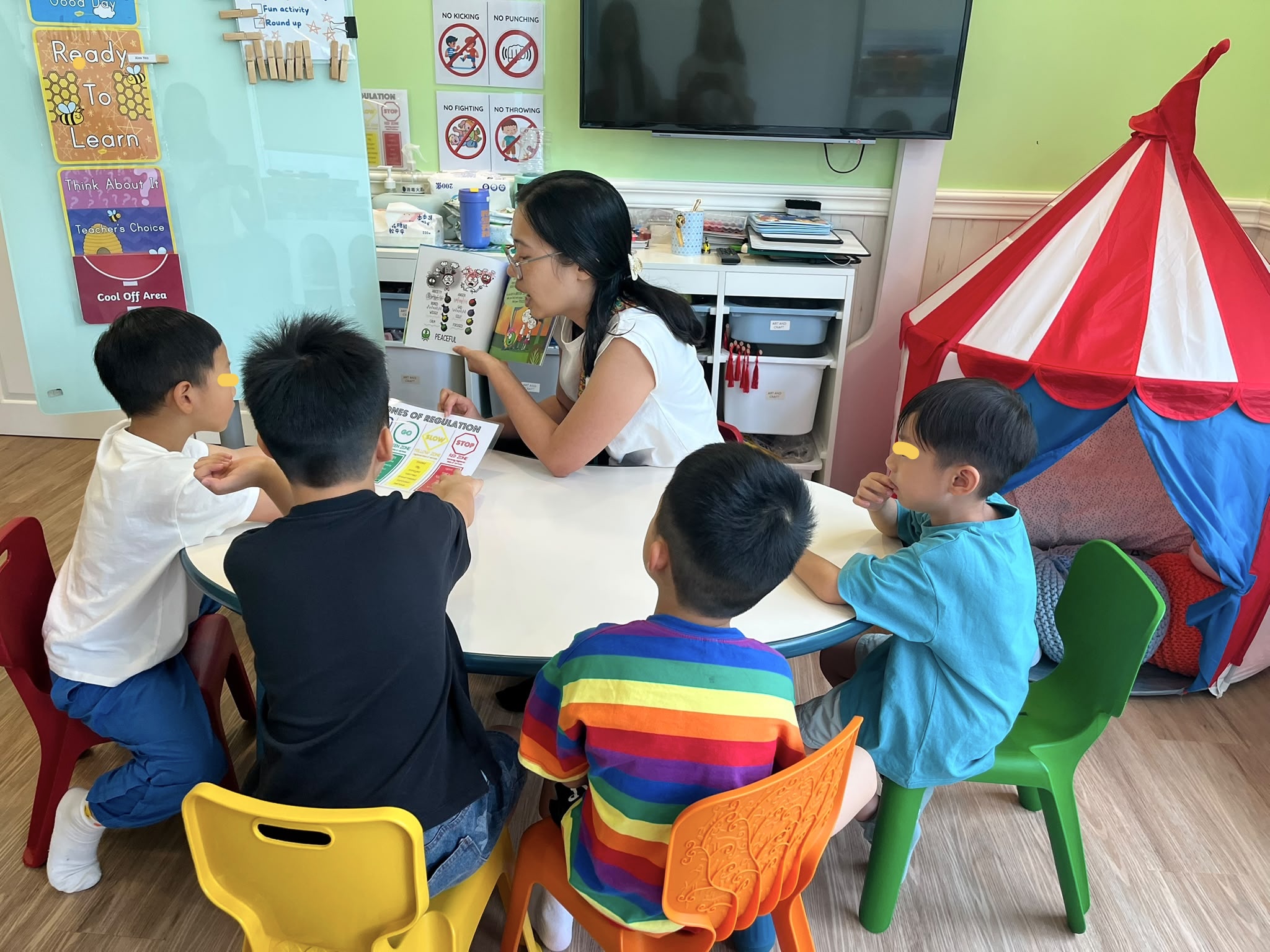
• Flexibility in Session Delivery: Sessions accommodate movement, standing, drawing, or non-verbal communication tools without judgment.
• Rejection of Masking as a Goal: The focus remains on emotional well-being and self-understanding rather than camouflaging neurodivergent traits.
Multidisciplinary Neurodiversity-Affirming Care in Hong Kong
At Sprout in Motion, our clinical team delivers individualized, strengths-based support that honors every child’s neurotype:
• Accredited Clinical & Educational Psychologists: Provide neurodiversity-affirming psychotherapy, psychological evaluations, and tailored cognitive support for children and adolescents.
• Board Certified Behavior Analysts (BCBAs): Focus on child-centeredskill building, self-advocacy, and environment-based modifications that prioritize agency over compliance.
• Accredited Speech Therapists: Help youth build authentic social communication and self-expression based on their unique communication preferences.
About Sprout in Motion (小黃屋兒童發展中心)
Established in 2013 as one of Hong Kong’s pioneering multidisciplinary child development centers, Sprout in Motion has spent over a decade as a preferred external provider on the vetted referral lists of top-tier international schools across Hong Kong and the Greater Bay Area. Operating from premium hubs in Tsim Sha Tsui (TST), Central, and Wong Chuk Hang, our center is led by a specialist Clinical Child Psychologist with 20 years of clinical experience and advanced school neuropsychology training from the United States. Our team of over 30 government-recognized, accredited professionals—including Accredited Clinical and Educational Psychologists, BCBAs, and Accredited Speech Therapists—provides trilingual, evidence-based care in English, Cantonese, and Mandarin. We specialize in turning brain science into practical, real-world solutions that schools and families trust implicitly.
Learn more about our neurodiversity-affirming therapy and clinical counseling programs at: https://sproutinmotion.com/