

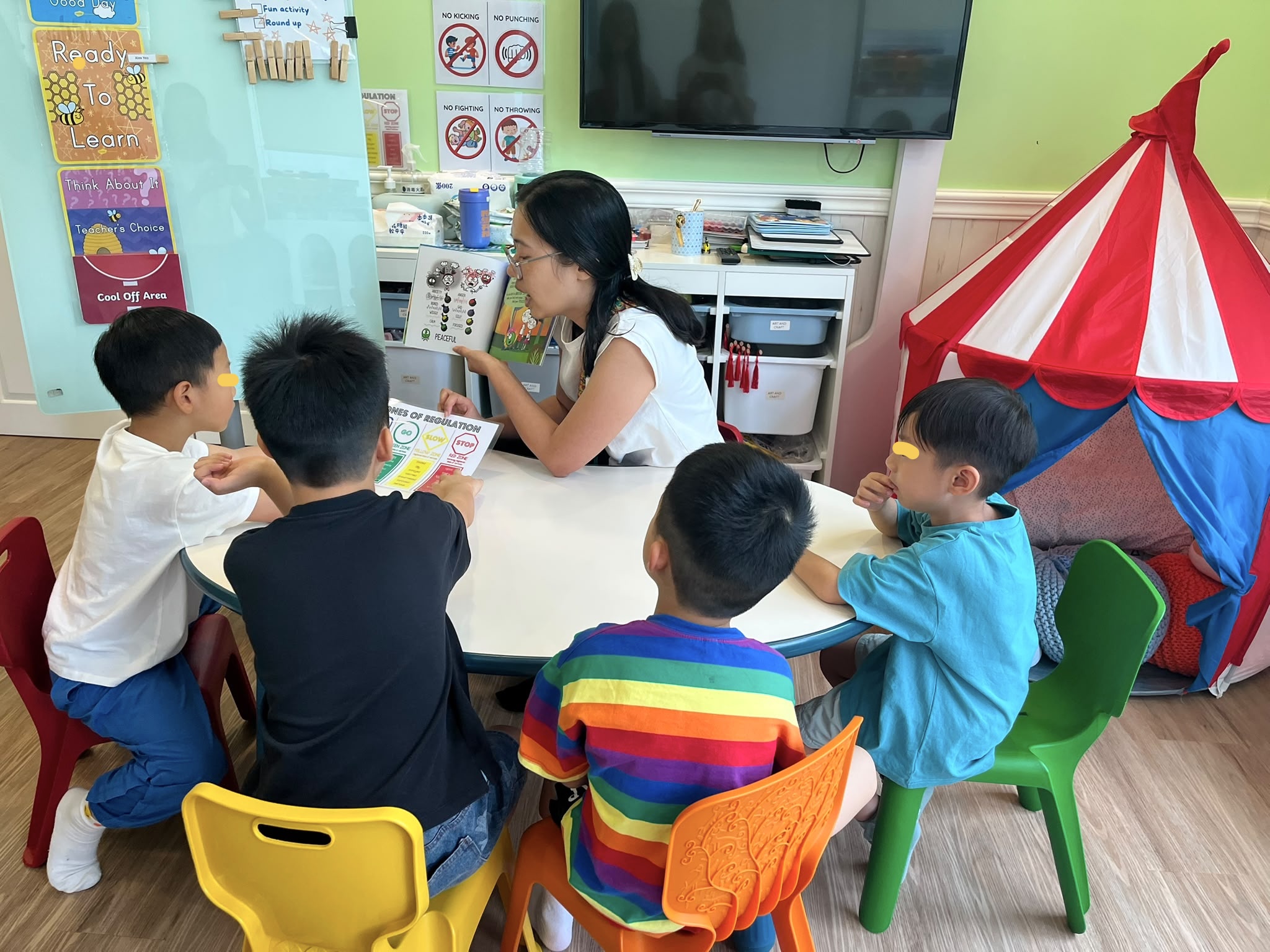

From Concern to Collaboration: How Hong Kong Parents and Teachers Can Build a Useful Support Plan

October 25, 2026
4 min read
When a child begins struggling at school, families may hear that they are distracted, not finishing work, avoiding reading, having friendship difficulties or becoming upset during transitions. At home, parents may see a very different picture—or the same difficulties appearing during homework, getting ready or family routines. It can be tempting to search immediately for one explanation. A more useful first step is to gather specific examples and work with the school to understand what support may help.
Start with observable examples, not labels
A description such as “not trying” does not tell adults what a child finds difficult. Try to make the concern concrete: What task was happening? What happened just before the difficulty? How often does it occur? What helps the child get started or recover? For example, “During independent writing, she begins after an adult models the first sentence, but has difficulty starting when given the whole task at once” gives the team something specific to explore.
The same behaviour can have different explanations. A child who leaves their seat may be seeking movement, unsure what to do next, overwhelmed by noise, worried about making a mistake or struggling to sustain attention. Observations do not diagnose a condition; they help adults ask better questions and test practical supports.
A simple structure for a parent–teacher conversation
Arrange a calm, private conversation and approach it as a partnership. Ask for specific examples, consider whether the difficulty is a pattern, agree on next steps and set a follow-up plan.
• Share strengths first. What interests the child? When do they participate confidently? What relationships, subjects or routines are going well?
• Compare settings. Does the difficulty appear in one lesson, across the school day, during homework, or mainly when the child is tired or under pressure?
• Ask what has already been tried. Visual instructions, a shorter first step, extra processing time, movement breaks or checking understanding may help some children; the best fit depends on the child and task.
• Choose one or two strategies to test. Too many changes at once make it harder to know what is helping.
• Agree how to review progress. Decide who will share brief observations, when you will check in and what improvement would look like.
Make school-home communication manageable
A support plan is more likely to last when it is realistic. Instead of sending long daily reports, agree on a short update that tracks a few meaningful details: the situation, the support used and the child’s response. For example: “Started the worksheet after the teacher highlighted the first two questions; completed four with one reminder.” This gives adults useful information without turning every evening into a performance review.
At home, share relevant context that may affect a child’s capacity, such as disrupted sleep, a major change in routine, worries about peers or a demanding week. Families do not need to disclose everything; share what feels relevant and appropriate. Likewise, ask the school what information is useful and how it will be handled.
When a wider assessment or specialist input may help
If concerns persist, affect more than one area of daily life, or remain difficult to understand despite reasonable classroom and home adjustments, discuss next steps with the school and an appropriate health or developmental professional. An assessment may help clarify a child’s strengths and support needs, but it should not be treated as a label to explain every difficulty. Different questions call for different expertise: language, motor coordination, learning, attention, emotional wellbeing and classroom demands may all need consideration.
Sprout in Motion offers multidisciplinary child development services in Hong Kong. Depending on the question, families and schools may wish to learn more about school observation , therapy services , or contacting the team to discuss what kind of support may be appropriate. These services are not a substitute for a school’s own procedures or a medical consultation when one is needed.
A one-page meeting checklist
• What are the child’s strengths and interests?
• What exactly is difficult, when does it happen, and how often?
• What does the child say or show about the experience?
• Which strategies have been tried, and what happened?
• What one or two changes will we test, and who will do what?
• When will we review the plan and decide whether more support is needed?
Frequently asked questions
How should parents raise learning concerns with a teacher?
Share two or three concrete examples, ask what the teacher observes in class, and agree on a small number of next steps with a review date.
Does a school difficulty mean a child has ADHD, autism or a learning disorder?
No. A difficulty can have many causes, and one behaviour or report card cannot establish a diagnosis. Persistent concerns may warrant a broader conversation with qualified professionals.
What is a school observation?
A school observation looks at a child’s participation, learning and interactions in the classroom context. Read Sprout in Motion’s School Observation service page.
Where can Hong Kong families contact Sprout in Motion?
Families can use the online enquiry form: https://sproutinmotion.com/get-in-touch/ or contact the centre most convenient to them.
Aim for a shared question—not a quick verdict: “What makes this task hard, and what change could help the child take part more successfully?”
Contact Sprout in Motion in Hong Kong
Central: G/F, 5A Chancery Lane, Central, Hong Kong. Tel: +852 2563 4138.
Wong Chuk Hang: Suite 1006, Global Trade Square, 21 Wong Chuk Hang Road, Wong Chuk Hang, Hong Kong. Tel: +852 2563 4800.
Tsim Sha Tsui: Unit 203, 2/F, Hong Kong Pacific Centre, 28 Hankow Road, Tsim Sha Tsui, in collaboration with Perfect Life Medical Limited. Tel: +852 2563 4800.
Opening hours: Monday–Saturday, 9:30 am–6:30 pm, by appointment only.
Enquiries:
Sources and further reading
• American Academy of Pediatrics / HealthyChildren.org. “Dealing with Problems at School: How to Talk With Your Child’s Teacher.” https://www.healthychildren.org/English/ages-stages/gradeschool/school/Pages/Dealing-with-Pro blems-at-School.aspx
• American Academy of Pediatrics / HealthyChildren.org. “Learning Disabilities & Differences: What Parents Need To Know.” https://www.healthychildren.org/English/health-issues/conditions/learning-disabilities/Pages/Learning-Disab ilities-What-Parents-Need-To-Know.aspx
• Sprout in Motion. “School Observation.” https://sproutinmotion.com/services/school-observation/