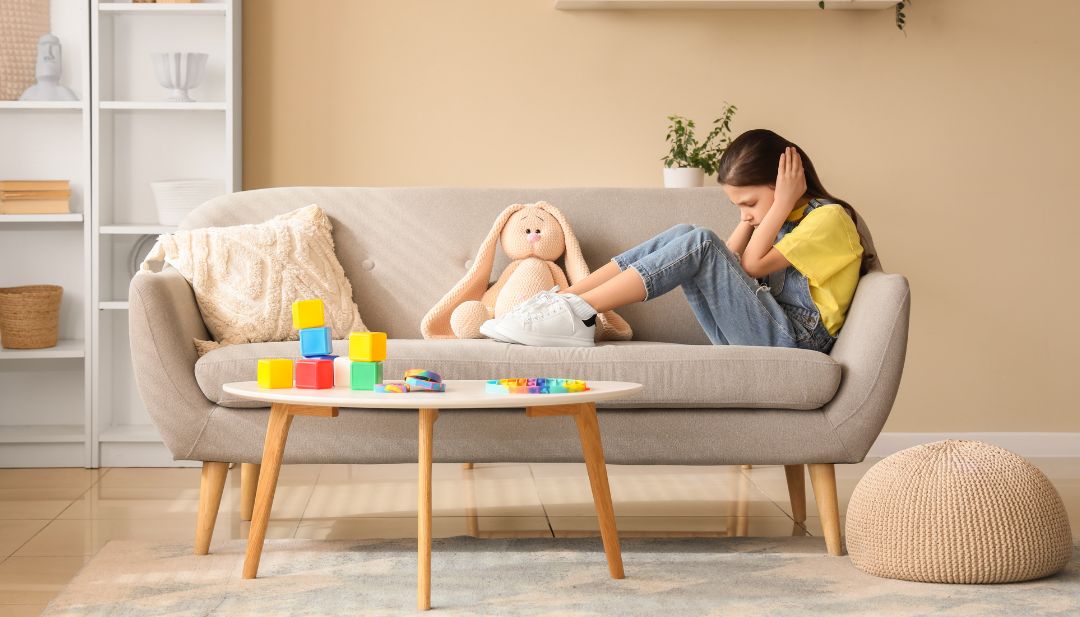





A Calmer, Kinder Christmas: Holiday Planning Tips for Families with Neurodivergent Children

December 17, 2025
4 min read
If the holidays feel like joy wrapped in jet lag—new places, new foods, new people, new rules—you’re not alone. Many parents tell me December is a month of mixed feelings: wanting magic, getting meltdowns; hoping for connection, getting overwhelm. Here’s a gentle, practical guide to help your family keep what matters and let go of what doesn’t, so your child can enjoy the season without burning out.
Start with your family’s north star
- Name your “big three.” Ask: What matters most to us this year? Maybe it’s one cozy tradition, one person to see, and one activity outside the house. Everything else is optional.
- Define “good enough.” A good holiday is not a perfect schedule or perfect behavior. It’s a few meaningful moments, with breathing room around them.
Before the holidays: plan light, plan early
- Visual calendar: Create a simple, kid-friendly calendar for the month with icons (tree, car, gift) and highlight “high energy” days. Cross off days as you go to reduce anticipation anxiety.
- Predictable routines with festive tweaks: Keep sleep and meal anchors the same time most days; add small “holiday lights” (a song during cleanup, a 5-minute craft) instead of overhauling the whole day.
- Previews and social stories: Walk through what to expect with photos or a short story: where you’re going, who will be there, where the quiet spot is, how long you’ll stay, when gifts happen.
- Practice micro-skills: Role-play “thank you” scripts, gift-giving, and “no, thanks” for food. Practice wearing party clothes for 5–10 minutes and agree on acceptable comfy alternatives.
- Sensory plan: List known triggers (noise, lights, smells, scratchy clothes) and pack supports: noise-reducing headphones, sunglasses, chewy/fidget items, soft layers, familiar blanket, favorite snacks.
Travel without the turbulence
- Pack a regulation kit: headphones, fidgets, chewy snacks, water, a small weighted item or hoodie, downloaded shows/audiobooks, charger/backup battery.
- Breaks on purpose: Plan 10-minute movement stops every 60–90 minutes when driving. In airports, find quieter corners and do wall push-ups, stretches, or short walks.
- First–then for transitions: “First seatbelts and two songs, then tablet.” “First three photos with grandma, then you can read in the quiet room.”
- Arrival buffer: Don’t schedule anything for the first 2–3 hours after arriving; decompress before social time.
Parties and gatherings: less is more
- Scout the space: On arrival, show your child the quiet corner, bathroom, snack zone, and exit routes. Agree on a signal for breaks.
- Choose a role: Give your child a job to create purpose and structure—official napkin helper, music DJ, pet guardian, or photographer.
- Time-box the visit: Decide ahead: “We’ll stay 60–90 minutes.” Leave while it’s still going well. You can plan a second short visit instead of one long meltdown.
- Micro-goals, not marathon expectations: “Say hi to two people,” “Sit for dessert,” “Help set one tray”—then praise.
- Sensory shielding: Seat near the edge, avoid strong-smell kitchens, dim lights if possible; bring acceptable foods if textures are hard.
Food, gifts, and traditions—make them flexible
- Food: Serve a “safe plate” alongside holiday dishes. It’s hospitality, not defeat. Let relatives know you’re focusing on comfort, not culinary bravery.
- Gifts: Stagger opening. Try “one gift, one play break.” Have batteries and scissors ready; skip tricky packaging.
- Clothing: Agree on “comfy-festive” (soft leggings/sweats in holiday colors) and sensory-safe tags or undershirts. Function beats fashion.
- Traditions: Keep one or two favorite rituals and simplify the rest. Instead of baking five kinds of cookies, decorate store-bought. Instead of a full-day outing, do a 45-minute lights walk.
Preventing overwhelm: daily rhythms that protect
- Morning preview, evening debrief: 3-minute check-ins. “What’s the plan? Where’s your quiet spot? What will you do if it’s too much?” At night: “What went well? What do we change tomorrow?”
- Movement medicine: Build two to three movement bursts daily—trampoline, scooter, playground, living room dance. Movement is regulation.
- Screen time with intent: Use calming, predictable shows during transitions; protect sleep by shutting down 60 minutes before bed.
- Protect sleep: Keep bedtime within an hour of normal. If that’s impossible, schedule a down day after late nights.
When big feelings show up
- Rising discomfort (yellow zone): Validate first. “It’s loud and a lot. Let’s find our quiet space.” Offer one choice: “Outside air or headphones?” Shrink the demand: “Two more minutes, then break.”
- Meltdown plan (red zone): Safety and calm. Reduce audience, avoid lectures, use few words: “You’re safe. I’m here.” Breathe together. Exit gracefully if needed; it’s not a failure—it’s a reset.
- Shutdown plan: Sit nearby, side-by-side. Offer low-demand communication (thumbs up/down, pointing). Start re-entry with a tiny step.
Siblings and relatives: set the tone
- Sibling scripts: “We all have different brains. Holidays are teamwork. Your job is to tell us when you need quiet and what helps.”
- Relative briefing: Share a short note or quick chat: “Our plan is short visits, comfy clothes, and breaks. If he heads to the quiet room, that’s success.” Offer alternatives to hugs—high-fives, waves, or heart-hands.
- Boundaries are kindness: It’s okay to say, “We’re skipping this year,” or, “We’ll do a short hello by video.”
IEP/therapy momentum during break
- Keep a light touch: One to two “maintenance” skills a day for 10–15 minutes (reading a page with audio support, quick math game, handwriting for a card). Then stop.
- Visual goals: Use a simple chart: movement, one chore, one practice, one joy. Celebrate completion with a preferred activity.
A sample “good enough” holiday plan
- Daily anchors: wake/bed within an hour of usual; meals at typical times; two movement bursts; 15 minutes of quiet time.
- Three big events total: one family visit, one community outing (lights, library craft), one home tradition.
- Exit strategies: break cards, code word, quiet zone identified at each venue.
- Refill rituals: hot cocoa and audiobook, bath time with epsom salts, Lego wind-down, nature walk.
Quick packing checklist
- Headphones, fidgets/chewies, familiar snacks/water
- Layers/soft clothes, spare socks, small blanket
- Visual schedule, break card, favorite book or toy
- Medications, chargers, backup battery
- Wipes, tissues, mini first-aid, plastic bags
Gentle reminders for you
- Anticipate “after-fun crashes.” Plan low-demand days after big days.
- Leave early, not late. Ending on a good note builds confidence.
- Say no without guilt. Protecting your child’s nervous system is love in action.
- Catch the good. Praise tiny wins: asking for a break, wearing the shirt for 10 minutes, greeting one new person, leaving without a fight.
If things feel hard anyway
You didn’t do it wrong. Holidays are intense by design. If you want help tailoring a calm, child-fit plan or navigating family expectations, reach out to a Sprout in Motion child expert. We can co-create scripts, visuals, and routines that make the season gentler—so you get more of the moments that matter and fewer of the ones that drain you.
Wishing you a season of small joys, soft landings, and a child who feels safe enough to shine.