

Understanding Late-Identified Neurodivergence in Girls— A Gentle Guide for Families

March 15, 2026
3 min read
When Your Daughter is “Different”: Understanding Late-Identified ADHD and Autism in Girls
As a child psychologist, I’ve met so many parents who sense, deep down, that something is different for their daughter—even if others don’t see it. Maybe you’ve wondered why your bright, sensitive girl can be so capable in some ways, yet constantly struggles in others. She might come home from school completely worn out after hours of “keeping it together.” Or perhaps she often seems anxious, gets frustrated over small things, or just doesn’t quite “fit in” the way other children do.
If this describes your daughter, you are not alone—and there is nothing wrong with either of you for struggling to find answers. In fact, more and more parents are realizing that many girls with conditions like ADHD or autism aren’t identified until much later than boys. Here’s why that happens, and what you can do as her biggest advocate.
Why Are So Many Girls Missed?
For a long time, most of what we “knew” about autism and ADHD came from studies on boys. But girls’ brains, emotions, and ways of coping can be different. Many girls learn to “mask”—to hide or camouflage the ways they feel different—often so well that their difficulties fly under the radar.
What Does “Masking” Look Like?
Masking means consciously or unconsciously covering up differences to try and blend in. For example, your daughter might force herself to make eye contact, mimic how her classmates talk or act, laugh at the right moments even if she doesn’t get the joke, or work hard to hide fidgeting or stimming behaviors.
On the surface, she might seem okay—maybe even exceptional!—but this effort can be draining. The cost is often exhaustion, anxiety, sadness, and eventually, burnout. The more effectively your daughter masks, the less likely others are to notice she needs support.
Overlooked Signs in Girls
It’s not that girls don’t have ADHD or autism; it’s that their signs often don’t fit old stereotypes. Here are some ways these differences might show up:
1. Quietly Distracted (Inattentive ADHD)
Instead of being hyperactive or impulsive, girls may daydream, lose things, or have trouble following instructions. They may seem “absorbed in their own world,” easily overwhelmed, or forgetful. Because they’re not disruptive, their struggles are often missed.
2. Strong Resistance to Everyday Demands (PDA)
Some girls react to stress or anxiety by refusing ordinary requests. This isn’t just “being difficult”—it’s a protective response to overwhelm. These girls can seem controlling or “stubborn,” but it’s really about feeling safe.
3. Extra Sensitive to Criticism (RSD)
Your daughter may be crushed by even gentle correction or perceived rejection, seeming “overly sensitive” or quick to feel hurt. This deep sensitivity is common and real, not just a personality quirk.
4. Hard Time Naming Feelings (Alexithymia)
Many girls have a tough time describing their emotions. Instead of saying they’re sad or anxious, you might notice physical symptoms (like headaches or stomachaches) or sudden meltdowns.
What to Look For—At Home and in School
At Home:
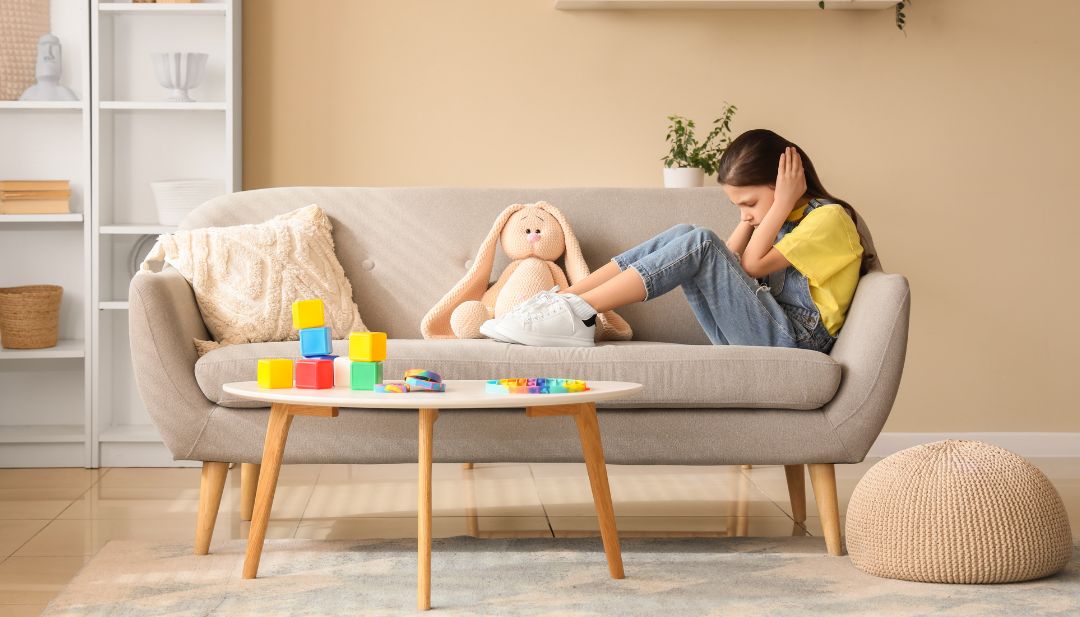
- After-School Meltdowns: She keeps it together all day but falls apart at home.
- Rigid or Repetitive Habits: Needs strict routines; struggles with changes.
- Trouble with Friendships: Gets along better with one or two children; struggles in groups; may seem lonely even when not alone.
- Sensory Sensitivities: Strong reactions to loud sounds, scratchy tags, or certain foods.
At School:
- Invisible Struggles: Teachers say she’s quiet, polite, or helpful—but she might be anxious, spaced out, or very quiet because she’s working hard just to cope.
- Perfectionism and Exhaustion: Over-prepares for everything; works much harder than peers.
- Misunderstood Behaviors: Labeled “bossy,” “daydreamy,” or “too sensitive”—when these may actually be signs of neurodivergence.
If you notice these patterns, it’s worth considering an evaluation by a psychologist familiar with how ADHD and autism show up in girls.
How to Gently Support Your Daughter
If your daughter has a late diagnosis—or even if you just suspect she’s been struggling—what she needs most is your steady acceptance and understanding. Here are some ways to help:
- Create a Safe Home Base: Let her be herself at home—no judgment for needing downtime, stimming, or taking breaks.
- Acknowledge Her Feelings and Needs: Remind her that her struggles are real, understandable, and not her fault.
- Ask, Don’t Assume: Try questions like, “What helps you feel comfortable?” instead of “Why can’t you just…?”
- Share Positive Role Models: Show her stories of women and girls who thrive with autistic or ADHD brains. Different doesn’t mean less!
- Work with Teachers: Help her teachers understand things like masking, sensory needs, and burnout. Advocate for gentle flexibility—maybe she needs sensory breaks, or to quietly opt out of overwhelming activities.
- Teach the Language of Feelings: Use feelings charts, books, or games to help her understand and express her emotions over time.