

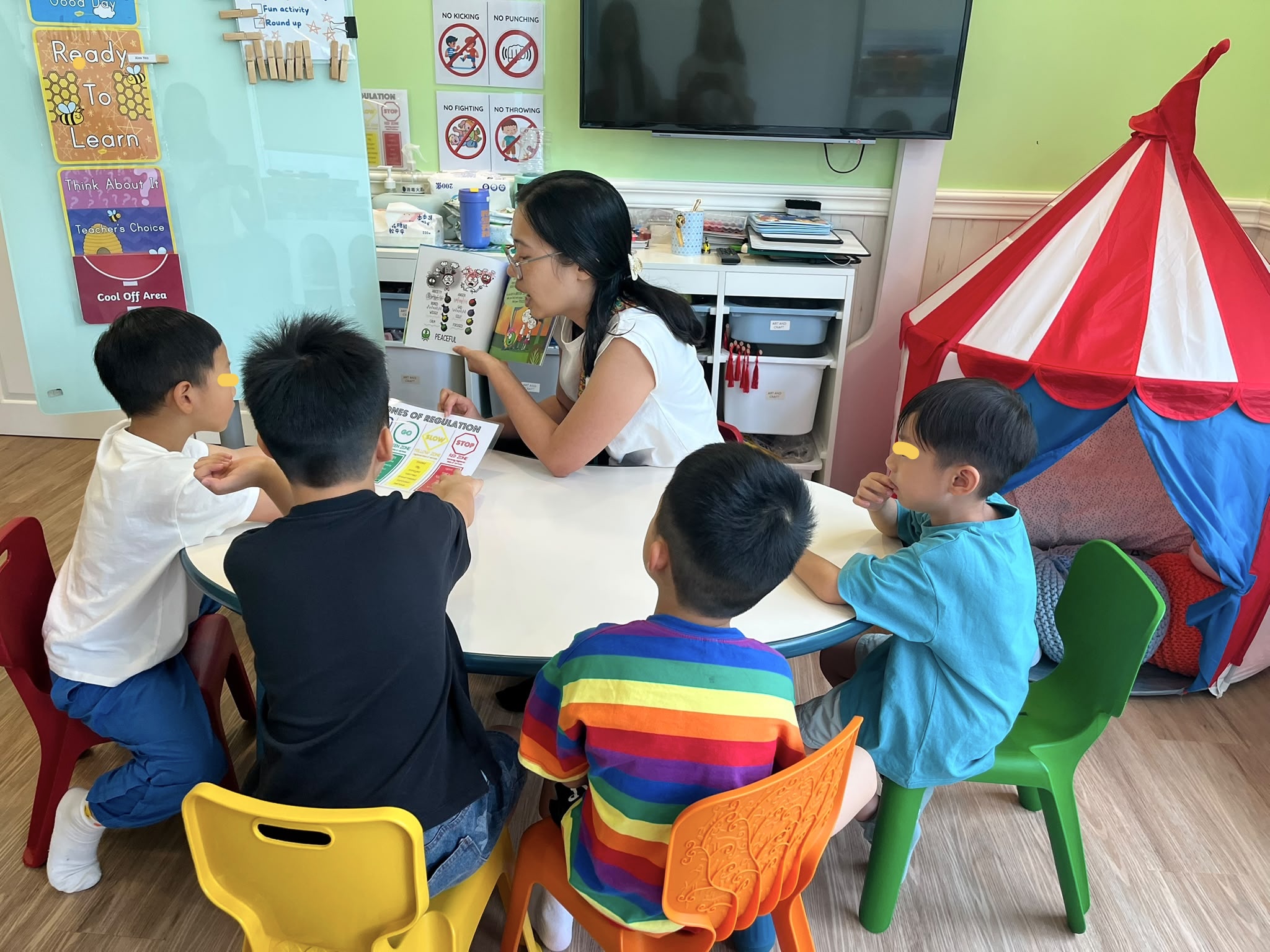

My Child Is Struggling at the Start of the School Year: When Should Hong Kong Parents Consider a Psychoeducational Assessment?

September 10, 2026
4 min read
The first weeks of a new school year can be challenging for many children. New teachers, classmates, routines and expectations take time to adjust to. But when a child is experiencing persistent separation anxiety, frequent meltdowns, school refusal or a dramatic change in behaviour, parents may understandably wonder: Should we give it more time, or should we seek an assessment now?
The short answer is that parents do not necessarily need to wait for a school referral. If a child’s difficulties are intense, persistent or interfering with their ability to learn, attend school, form relationships or function at home, an early consultation with a qualified psychologist can help determine whether further assessment is appropriate.
Is This Normal Back-to-School Anxiety—or Something More?
Some anxiety at the beginning of school is normal, particularly for younger children, students entering a new school, or families who have recently moved to Hong Kong.
A child might be tearful at drop-off for several days, complain about a new teacher, or feel uncertain about making friends. With reassurance, routine and familiarity, these concerns often improve.
However, parents should pay closer attention when the response seems disproportionate to the situation or does not begin to settle.
The Child Mind Institute notes that school avoidance can have many underlying causes, including anxiety, social difficulties, bullying and undiagnosed learning challenges. Persistent school refusal accompanied by substantial distress should be evaluated rather than simply assumed to be a phase.
Possible warning signs include:
- severe or prolonged distress at separation
- repeated meltdowns before, during or after school
- frequent stomach aches, headaches or other physical complaints associated with school
- refusing to enter the classroom or attend school
- significant changes in sleep, appetite or mood
- appearing overwhelmed by routines that peers manage more easily
- difficulty following instructions or completing classroom tasks
- unusually high levels of impulsivity or emotional dysregulation
- persistent difficulty making friends or understanding social situations
- a child repeatedly saying that school is “too hard” without being able to explain why
The important question is not whether a child displays one particular symptom. It is what is driving the difficulty.
Should Parents Wait Until the School Recommends an Assessment?
Not necessarily.
At the beginning of an academic year, teachers are still getting to know their students. A school may need weeks or months of classroom observation before it has enough evidence to formally recommend an assessment.
Parents, however, have years of information about their child.
They may have noticed similar difficulties during previous transitions, homework, extracurricular activities or social situations. A family doctor may have raised a concern. Parents may also notice differences between their child and siblings or peers long before those differences become obvious in the classroom.
“Parents often worry that seeking an assessment means they are putting a label on their child. A good assessment should do the opposite. It should help us understand the whole child – their strengths as well as what may be getting in the way.”— Dr Minna Chau, Founder and Clinical Child Psychologist at Sprout in Motion
Seeking professional advice does not automatically mean that a child has ADHD, autism, a learning difficulty or an anxiety disorder.
It means asking a better question: Why is my child struggling?
What Does a Comprehensive Psychoeducational Assessment Look At?
A comprehensive psychoeducational assessment should not begin with the assumption that a child has a particular diagnosis.
At Sprout in Motion, the assessment process is designed around the referral questions and the child as a whole. Depending on the concerns presented, psychologists may examine areas including:
- Cognitive abilities
- Academic achievement
- Attention
- Executive functioning
- Emotional and behavioural wellbeing
- Language and communication
- Adaptive functioning
This matters because similar behaviours can have very different causes.
For example, a child who repeatedly leaves their seat may be experiencing attention difficulties, anxiety, sensory discomfort, academic frustration or another challenge. Likewise, a child having meltdowns after school may be struggling with emotional regulation, social demands, learning difficulties or the effort required to cope throughout the school day.
There is no single test that diagnoses ADHD. The US Centers for Disease Control and Prevention notes that ADHD evaluation involves several steps and that anxiety, sleep difficulties, depression and learning disorders can produce similar symptoms. Information from different environments, including home and school, is therefore important.
A comprehensive assessment helps parents move from guessing at a diagnosis to understanding a profile.
What About Children in Hong Kong International Schools?
Children attending Hong Kong’s international-school community — including families at ESF, CIS, VSA, HKIS, ISF, CDNIS, GSIS, Harrow, Kellett, Malvern and other international schools — may encounter very different academic, language and social expectations.
For a child who has recently moved from Mainland China, overseas or another school system, the adjustment can be particularly complex. A psychologist needs to consider the child’s developmental history, languages, educational background, cultural context and current school environment before interpreting their difficulties.
That is why an assessment should produce more than a diagnostic label. It should provide practical recommendations for parents and teachers about how the child can be supported.
When Should Parents Seek Help?
Parents do not need to panic over a difficult first week of school. But they also do not have to wait for a problem to become a crisis.
If your child’s distress is severe, continues despite consistent support, or is affecting school attendance, learning, friendships or family life, an initial professional consultation can help determine the next step.
How Sprout in Motion Can Help
Sprout in Motion’s assessment team includes Dr. Minna Chau, Clinical Child Psychologist, and Educational Psychologists Winkie Lai and Lavender Chan. Please visit their individual profiles for details of their qualifications and professional registrations.
At Sprout in Motion, comprehensive assessment is focused on answering the questions surrounding the individual child rather than asking parents to select a diagnosis before the assessment begins.
Speak With Our Assessment Team
Concerned about how your child is adjusting to the new school year? Contact Sprout in Motion via WhatsApp or our enquiry form to discuss whether an assessment would be appropriate for your child.