

Social Withdrawal in International School Kids: A Hidden Growth Concern in May

May 18, 2026
2 min read
May is a high-risk period for social withdrawal in high-achieving international school students. Academic burnout leads to “social fatigue,” where children retreat from peer interactions to conserve cognitive energy. This article explores the neuropsychology of social avoidance and introduces multidisciplinary summer interventions to rebuild peer confidence.
The Hidden Cost of the “May Grind”
In the high-pressure international school environments of Hong Kong and the Greater Bay Area, May is often viewed solely through the lens of academic output. However, beneath the surface of exam scores lies a growing clinical concern: Social Withdrawal. Many students, overwhelmed by the cumulative weight of Term 3, begin to retreat from friends, avoid group projects, and lose interest in previously enjoyed social interactions.
The Neuropsychology of Social Avoidance
From a neuropsychological perspective, social interaction is an “Executive Function-heavy” task. It requires rapid information processing, emotional regulation, and cognitive flexibility. When a child’s Prefrontal Cortex (PFC) is depleted by months of exam preparation—a state known as Cognitive Load Theory—socializing is often the first thing the brain “sacrifices” to save energy.
Research published in Frontiers in Psychology indicates that chronic academic stress can trigger the “Social Withdrawal Syndrome.” When the brain is in a state of hyper-arousal (due to IB/A-Level stress), the Amygdala perceives social demands not as opportunities for connection, but as additional “tasks” or threats to their remaining energy reserves. This leads to a cycle of avoidance that erodes self-confidence and peer-relational skills.
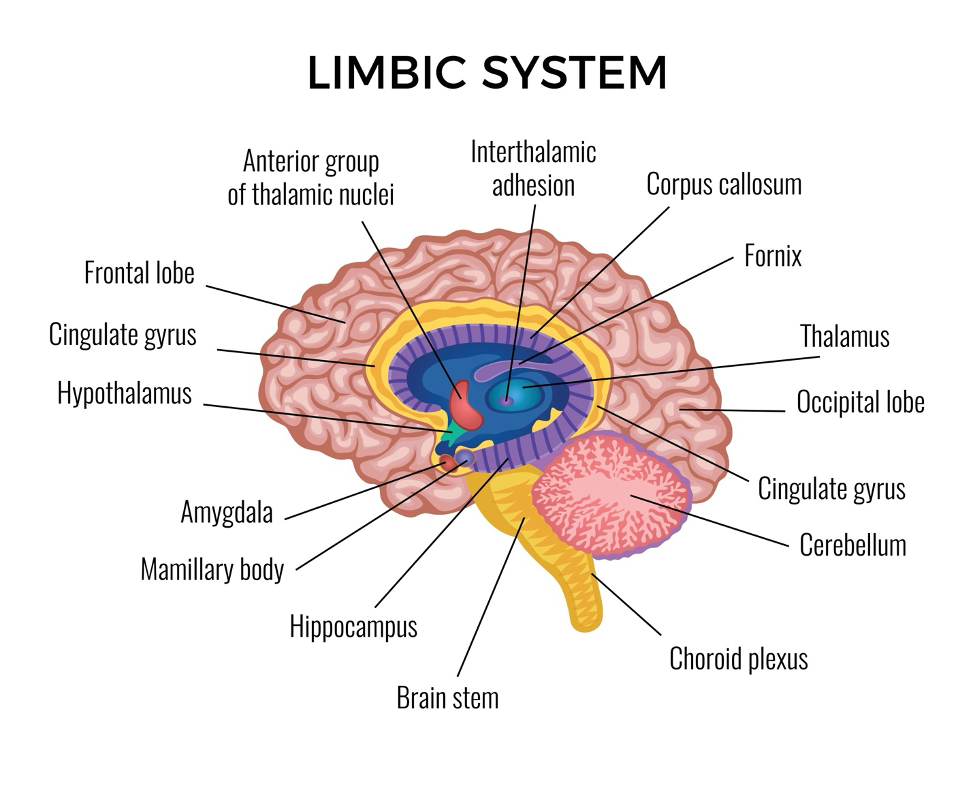
The Erosion of Self-Confidence
Social withdrawal in May is often a precursor to a “confidence crisis.” According to Bandura’s Self-Efficacy Theory, confidence is built through mastery experiences in social settings. When a child retreats, they miss these critical learning opportunities. By the time summer arrives, the “social muscle” has atrophied, making the prospect of returning to school in August feel even more daunting.
Rebuilding Through Targeted Intervention: The Summer Pivot
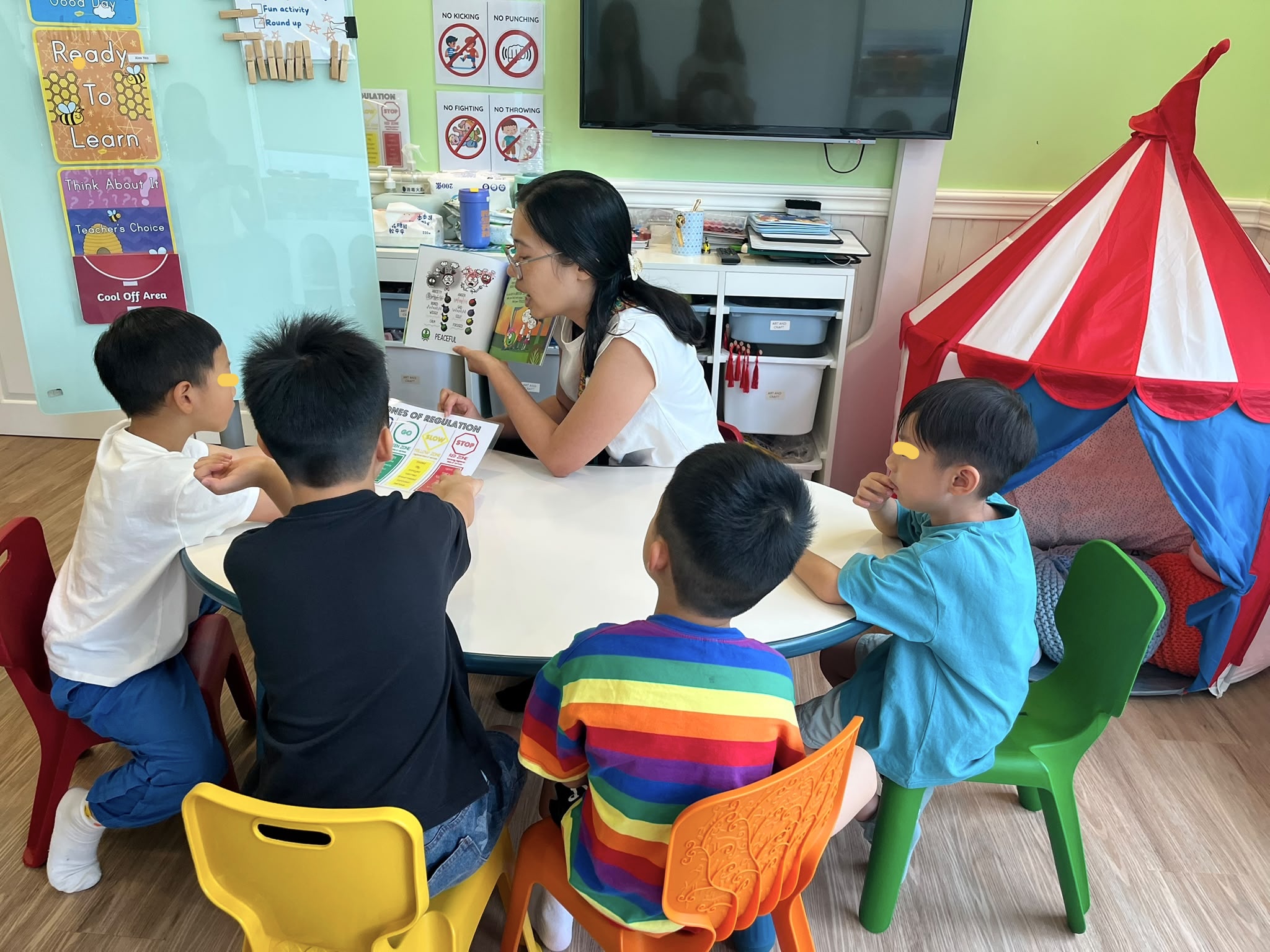
To reverse this trend, “passive rest” is insufficient. The brain needs scaffolded social re-entry. At Sprout in Motion, we address this through our multidisciplinary Summer Camp programs.
Unlike large, unsupervised summer programs, our small-group activities are designed by Clinical Psychologists, Speech Therapists (ST), and Occupational Therapists (OT). We utilize Play-Based Training and Guided Social Interaction to:
- Reduce Social Anxiety: Utilizing low-stakes, multidisciplinary tasks to bypass the “threat response.”
- Rebuild Communication Pragmatics: Our STs provide real-time coaching on peer cues and group dynamics.
- Restore Confidence: Through evidence-based “mastery tasks” that allow children to feel competent in a social setting once again.
Social withdrawal is a signal that a child’s internal resources are spent. By identifying this “hidden concern” in May, we can intervene early. Summer should not just be a break from books; it should be a season for rebuilding the social foundations that allow a child to thrive. At Sprout in Motion, we support children’s mental health and development using professional, evidence-based care.